


Cooking from a great recipe gives you one excellent meal. Cooking from a great recipe that also teaches you something gives you a skill you carry into every meal after that. This is the distinction that defines chef-inspired recipes and why they represent a genuinely different category of culinary resource. They are not just about tonight’s dinner. They are about who you become in the kitchen over time.
What Makes a Recipe Chef-Inspired
The term gets used loosely, but it has a specific meaning when applied accurately. A chef-inspired recipe is one developed through professional culinary experience and written with enough context that the reader walks away with more than a finished dish. It includes the reasoning behind the technique, the sensory cues to watch for at each stage, and the small adjustments that professional cooks make instinctively but rarely write down.
Eat Splendid, founded and led by chef Paula Naumcheff, delivers exactly this. Paula’s culinary roots include a Macedonian-American upbringing surrounded by restaurateurs, professional culinary training, and the experience of running her own restaurant. The recipes on Eat Splendid carry all of that depth.
Recipes That Teach as They Deliver
Every recipe on Eat Splendid is an opportunity to learn something transferable. The pan-seared scallops recipe, described as taking just minutes to prepare, teaches home cooks the critical relationship between surface moisture, pan temperature, and timing that produces a golden crust without overcooking. Once you understand that relationship, you apply it to every protein you cook from that point forward.
Similarly, the no-knead yeast bread recipe, which uses a blender and requires no traditional kneading, teaches the principle that gluten development is a function of time as much as effort. Understanding this frees you from the intimidation of bread baking and opens up an entire category of recipes that previously felt inaccessible.
These are chef-inspired recipes in the truest sense — lessons that happen to produce delicious food.
Technique as the Foundation of Confident Cooking
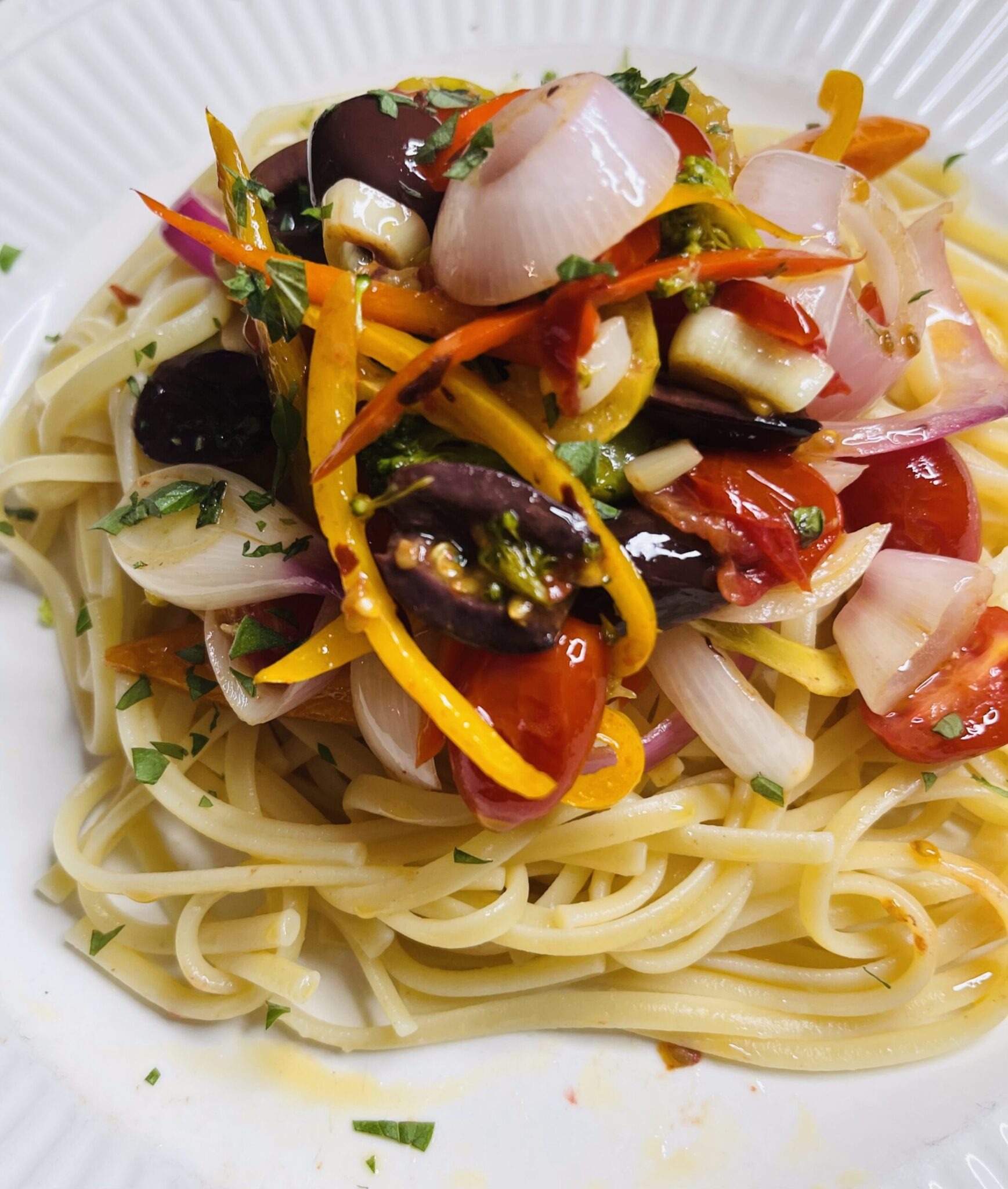
Before a home cook can truly benefit from chef-inspired recipes, they need a foundation of basic technique. This is why Eat Splendid’s Cooking School section exists alongside the recipe library rather than separately from it. The two work together as a complete culinary education. You learn a technique, you apply it in a recipe, and the result reinforces both the knowledge and the confidence.
Cooking Techniques for Home Cooks that the site addresses include knife skills, heat management, sauce building, seasoning strategy, and baking fundamentals. These are not glamorous topics, but they are the bedrock of everything that comes after. Without them, even the most beautiful recipe remains out of reach.
The Compounding Effect of Learning Technique
Here is something that experienced cooks understand and beginners often overlook. Techniques compound. Once you know how to properly caramelize an onion, you understand the Maillard reaction in a broader sense. That understanding applies to searing meat, browning butter, toasting spices, and roasting vegetables. Every technique you master unlocks a cluster of related skills that come more easily because of it.
This is why investing in culinary education at a site like Eat Splendid pays dividends that scale with time. The more you learn, the faster each new technique becomes second nature.
The Culinary Culture Behind the Recipes
Eat Splendid is not a recipe database designed to maximize content volume. It is a culinary lifestyle platform created by someone who genuinely loves food and understands it deeply. Paula’s Deep Dives section explores bold flavors, featured ingredients, and the culinary voices that shape how we gather and cook. Articles cover everything from the best types of peaches and how to use them through summer to how to build a beautiful charcuterie board that reflects the season.
This broader context gives the recipes on the site a richness that pure instruction never achieves. When you understand the cultural and culinary story behind a dish or an ingredient, you cook it with a different kind of engagement. That engagement shows up in the result.
How to Apply Chef Thinking to Your Everyday Cooking
You do not need to cook from Eat Splendid recipes every night to benefit from the chef-inspired approach. Many of the principles transfer immediately to the cooking you already do.
Start by asking why before you start cooking. Why is this technique used here? Why this ingredient at this stage? Why this temperature rather than another? These questions are how professional cooks think, and asking them even informally changes how much you absorb from every cooking session.
Taste frequently and adjust early. Do not wait until the dish is finished to assess seasoning or balance. A small correction made ten minutes before serving is always easier than trying to rescue a dish on the plate.
Conclusion
Chef-inspired cooking is an approach as much as a style. It is characterized by curiosity, precision, and a genuine respect for food and the people you cook it for. With Eat Splendid as a resource, home cooks at every level have access to the kind of culinary education that builds lasting skill, real confidence, and meals worth remembering.
FAQ
- How is a chef-inspired recipe different from a standard recipe?
It includes the reasoning behind each step, the sensory cues to watch for, and the kind of nuanced guidance that builds transferable cooking skill. - What cooking techniques does Eat Splendid teach?
The Cooking School covers knife skills, heat management, sauce building, baking principles, seasoning strategy, and equipment selection, among others. - Can following chef-inspired recipes replace formal cooking school?
While not a direct substitute, a quality culinary resource like Eat Splendid provides substantial practical education that meaningfully improves home cooking over time.