


The food we find neatly packed on supermarket shelves goes through a long and carefully managed journey before reaching consumers. Behind every ready-to-eat meal, packaged snack, or bottled beverage is a complex system designed to ensure safety, consistency, and quality.
The food processing industry plays a vital role in transforming raw agricultural ingredients into products that are convenient, safe, and widely accessible.
Understanding the Purpose of Food Processing
At its core, food processing exists to make food usable beyond its natural state. Fresh ingredients such as grains, fruits, vegetables, meat, and dairy are often perishable and difficult to store or transport.
Processing helps by:
-
Extending shelf life
-
Improving food safety
-
Enhancing flavor and texture
-
Making food easier to prepare and consume
Without food processing, supplying food to large populations would be far more challenging.
Step One: Sourcing Raw Ingredients
The process begins with sourcing raw materials from farms, fisheries, and other agricultural producers. Quality control starts here, as the condition of ingredients directly affects the final product.
Producers inspect raw materials for freshness, cleanliness, and suitability before accepting them into processing facilities. This initial screening helps prevent contamination and ensures consistency.
Cleaning and Preparation
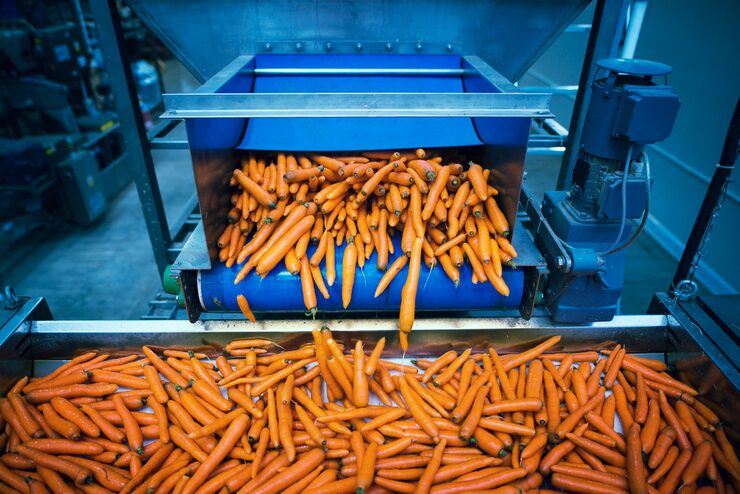
Once accepted, raw ingredients undergo cleaning and preparation. This step removes dirt, debris, and unwanted parts such as stems, shells, or bones.
Preparation may include:
-
Washing and sorting
-
Peeling or trimming
-
Grinding or cutting
These steps prepare ingredients for further processing while maintaining hygiene standards.
Processing and Transformation
This stage is where raw ingredients are transformed into consumable products. Depending on the food type, processing methods may include heating, freezing, drying, fermenting, or mixing.
Each method serves a specific purpose:
-
Heating can destroy harmful microorganisms
-
Freezing preserves freshness
-
Drying reduces moisture to extend shelf life
-
Fermentation enhances flavor and nutritional value
Careful control of temperature, time, and equipment ensures product safety and consistency.
Quality Control and Safety Measures
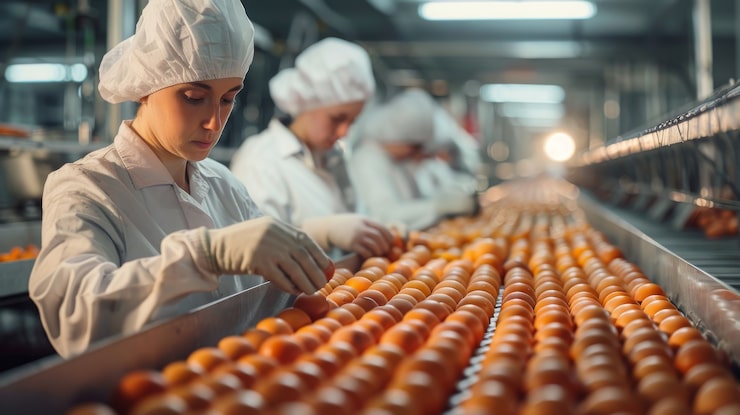
Food safety is a top priority throughout the process. Processing facilities follow strict hygiene protocols and quality standards to prevent contamination.
Quality checks are performed at multiple stages to monitor:
-
Taste and texture
-
Nutritional content
-
Packaging integrity
-
Compliance with safety regulations
These measures protect consumers and maintain trust in food brands.
Packaging and Preservation
Packaging is more than just presentation—it plays a key role in protecting food products.
Proper packaging helps:
-
Prevent contamination
-
Preserve freshness
-
Extend shelf life
-
Provide important information to consumers
Labels also include nutritional details, ingredients, and storage instructions, helping consumers make informed choices.
Distribution and Storage
Once packaged, food products are stored and transported under controlled conditions. Temperature management and proper handling ensure that products remain safe until they reach retailers.
Efficient distribution networks allow processed foods to be available year-round, regardless of seasonal limitations.
The Industry’s Role in Modern Life
The food processing industry supports modern lifestyles by offering convenience and reliability. Ready-to-cook and ready-to-eat products save time while maintaining safety and availability.
At the same time, the industry continues to evolve, responding to consumer demand for healthier options, transparency, and sustainability.
Final Thoughts
From raw ingredients to ready products, the food processing industry is a carefully coordinated system that balances efficiency, safety, and quality. Every step—from sourcing to packaging—plays a role in delivering food that meets modern needs.
Understanding this process highlights how essential food processing is to feeding growing populations while maintaining safety and convenience.